Sep. 24, 2026
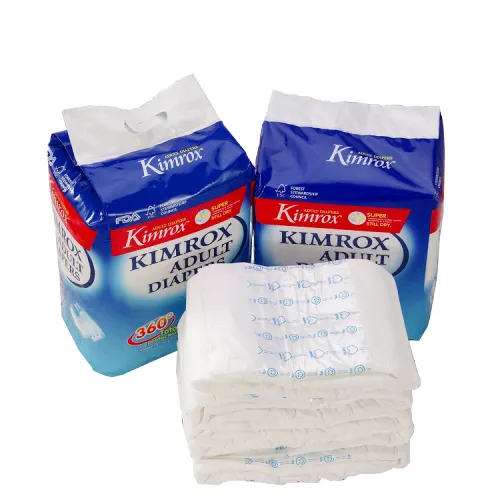
If you are building a private label adult diaper manufacturing program, the main problem is rarely “finding a factory.” The real bottlenecks are absorbency performance consistency, skin-friendliness under long wear, and cost control at scale. For hospitals, home-care distributors, and e-commerce brands, one bad batch can raise leakage complaints, return rates, and customer churn within weeks. This guide explains how an adult diaper manufacturer turns raw materials into saleable products, how adult diaper OEM and adult diaper ODM models differ, and what to check before launch. In practical terms, it covers private label adult diapers, custom adult diaper packaging, and wholesale adult incontinence products—with material science, quality data, and sourcing steps that help reduce risk. Key technical terms you will see include SAP (superabsorbent polymer), backsheet, and topsheet, because those three components largely determine leak control, dryness, and wearer comfort.
For a market reference,
The adult incontinence category is expanding because populations are aging, post-surgery recovery demand is rising, and home care is replacing institutional care in many regions. In many markets, the 65+ population is growing faster than total population, which directly increases demand for adult briefs, pull-up underwear, and overnight adult diapers. For a private label owner, this creates a practical opportunity: instead of competing only on price, you can differentiate through fit, absorption speed, breathability, and packaging.
From a product perspective, the most important performance metrics are measurable. A well-designed core can reach high liquid retention, while a good topsheet can improve acquisition speed and reduce surface wetness. In lab testing, products are often evaluated for strike-through time, rewet, absorption capacity, and leakage integrity. In simple terms, a low rewet value means less moisture returns to the skin, which helps lower friction-related irritation during long wear.
That is why the adult diaper manufacturer you choose should not just quote a low unit price. It should be able to explain how core design, SAP distribution, leg cuff geometry, and waistband elasticity interact. If they cannot provide data such as basis weight, retention grams, and leakage test results, your brand is exposed to unpredictable customer experience and unstable reorder rates.
An adult diaper typically contains five key layers. First is the nonwoven topsheet, which contacts the skin and should be soft, fast-penetrating, and low-lint. Second is the acquisition distribution layer or ADL, which moves urine away from the surface. Third is the absorbent core, usually a blend of fluff pulp and SAP. Fourth is the backsheet, which prevents leakage. Fifth is the fastening system, including tapes, elastic waistbands, and leg cuffs.
In technical sourcing language, the absorbent core is the heart of the product. SAP can absorb many times its own weight in fluid, but performance depends on particle size, distribution uniformity, and core wrap design. A poorly balanced core may absorb liquid initially but fail under pressure. That is why procurement teams should ask for capacity under load, not just free swell numbers.
The manufacturing principle is simple: move liquid inward quickly, lock it into the core, and prevent return flow or side leakage. In factory terms, that requires stable web handling, accurate hot-melt adhesive application, precise core positioning, and consistent compression. Small deviations can create channeling, which leads to localized saturation and faster leakage.
Professional buyers often compare samples using test methods aligned with industry practice. Common checks include ISO-style absorbency evaluation, tensile strength testing for fastening zones, and visual inspection of core alignment. If you are developing private label adult diapers, you should request both laboratory data and real-use feedback from a test group representing your target user type: mobile adults, bedridden patients, or nighttime users.
Start with manufacturing capability. Ask whether the factory owns the diaper lines or only trades products. An in-house adult diaper manufacturer is more likely to control output consistency and respond faster to changes in size or absorbency. Next, check certifications relevant to your destination market. Depending on region, this may include ISO 9001 quality management, ISO 13485 if medical device positioning applies, CE-related documentation for Europe, or local regulatory files for absorption and skin-contact products.
Then review capacity. A supplier that can make 3 million units per month but only has one stable line for your SKU may still fail if your target is rapid expansion. Ask for line speed, defect rate, and MOQ by size. If the factory can provide historical rejection rates below 2% for a stable SKU, that is a more useful indicator than a marketing brochure.
Request the following before committing:
At this stage, brands like Duronma are often considered because they can support both OEM customization and packaging adaptation. If your channel is Amazon, retail, pharmacy, or nursing-home distribution, the best adult diaper manufacturer should be able to align the product spec with the channel rather than forcing one universal version.
1. Identify whether your buyer is a caregiver, hospital buyer, pharmacy chain, or online consumer. The product spec changes by channel.
2. Decide the wear scenario: daytime mobility, overnight use, post-surgery recovery, or severe incontinence. Overnight users often require higher retention and lower rewet, while mobile users prioritize thinner profiles and discretion.
3. Convert user needs into measurable targets. For example, “better leak protection” should become edge leakage test pass rate, leg cuff tension range, and total retention threshold.
1. Select OEM if you already have formulas, artwork, and brand standards.
2. Select ODM if you need the factory to offer pre-developed adult briefs or pull-up designs with minor customization.
3. Select private label if you want market-ready products with your logo, packaging, and standardized specifications.
In practice, many new brands use an ODM base and then adjust the product core and packaging. This can cut development time materially compared with full custom development, especially when the factory already has validated diaper structures and existing molding tools.
1. Define size range: M, L, XL, or custom waist range.
2. Define absorbency level: light, moderate, heavy, or overnight.
3. Define material details: nonwoven softness target, leg cuff style, SAP ratio, and backsheet breathability.
4. Define performance targets: strike-through time, rewet limit, and leakage resistance.
A professional spec sheet reduces miscommunication. For example, “breathable” should not remain a vague word. If possible, ask for moisture vapor transmission rate, because that gives a more objective view of comfort during long wear.
1. Request initial samples in the exact target size and absorbency.
2. Test them on actual users or simulated loads.
3. Compare at least three versions if possible: economy, standard, and premium.
During sample testing, focus on observable and measurable issues: leg seal comfort, tape hold strength, noise level from the backsheet, and overnight leakage at different sleeping positions. A product that performs well in seated testing may still fail in side-sleep testing, so real-use scenarios matter.
1. Finalize bag artwork, carton labeling, and barcode placement.
2. Verify warning statements, usage instructions, and disposal text required by your market.
3. Check language accuracy for export labels and claims such as “extra absorbent” or “breathable.”
Packaging is not only a branding tool; it also affects shelf efficiency and shipping cost. A carton design that reduces cube volume by even 8% can lower freight cost per unit in high-volume shipping programs.
1. Approve the pre-production sample based on final materials.
2. Produce a small pilot batch.
3. Inspect random cartons for defect rate, seal integrity, and print consistency.
This step protects you from scale-up surprises. A pilot run often reveals issues invisible in hand samples, such as adhesive overflow, misaligned leg elastic, or print shift on the outer bag.
1. Inspect incoming raw materials.
2. Monitor in-line production during the shift.
3. Conduct finished-product sampling before warehousing.
For high-volume brands, a quality gate system is essential. Standard practice is to check appearance, dimensions, core placement, tape adhesion, and packaging seal strength. If one batch shows a higher defect concentration, isolate it before shipment to protect review scores and distributor trust.
1. Confirm palletization, container loading, and carton labeling for destination country rules.
2. Build safety stock based on lead time and demand volatility.
3. Align reorder points with sales velocity, especially for e-commerce and hospital contracts.
Many adult diaper brands fail not at manufacturing, but at inventory timing. If your replenishment cycle is 45 days and demand spikes by 30% during a promotion, stockouts can erase the revenue gains from the campaign. Forecasting should be part of the manufacturing conversation from day one.
Professional factories use a combination of bench tests and user simulations. Common tools include a tension tester for tape strength, an absorbency rig for fluid acquisition, and pressure plates for retention under load. In some cases, repeated compression cycles are used to simulate sitting and turning at night.
Field testing is equally important. A diaper that scores well in the lab but causes leg marks after four hours of wear may still receive complaints. Measuring skin wetness, fit stability, and odor control during real use gives a more complete picture.
Consider a distributor launching a mid-range overnight brief. The target was to reduce leakage complaints from 12% to below 4% within two months. The factory upgraded the core distribution design, increased SAP loading in the central zone, and improved leg cuff elastic tension. After the change, user feedback showed fewer overnight changes and lower return requests, while the brand’s repeat purchase rate rose by 27% over the next sales cycle. The key was not a single material change, but a matched adjustment between core structure and use scenario.
Another common case is a pharmacy chain that wants a softer premium line. Here, the adult diaper manufacturer may shift to a softer nonwoven topsheet, lower noise backsheet film, and a more consumer-friendly carton. This kind of product often sells better where shelf perception matters, even if the internal absorbency spec is similar to the standard line.
The unit price of an adult diaper is usually driven by raw materials, labor, packaging, freight, and defect allowance. SAP and fluff pulp are major cost contributors, while printed packaging can significantly affect the final landed cost. If you want to lower price without harming performance, the smarter route is usually optimization of core geometry and package efficiency, not simply cutting material quality.
One practical approach is value engineering. For example, if testing shows the product already exceeds the absorbency needs of your target, reducing over-specification may lower material cost without affecting retention in real use. However, the factory should validate the change with comparative data rather than assumptions.
Claims should match evidence. If your label says “super absorbent,” you should be able to point to load-bearing retention data. If you say “skin-friendly,” there should be a reasonable basis in material selection and irritation risk reduction. Overstated claims may create customs, marketplace, or retailer issues.
For international exports, keep a document set ready: product specification sheet, test summary, safety data for materials if needed, and packaging artwork approvals. This reduces delays when distributors or regulators ask for proof.
Brand growth in this category comes from consistency. Customers who buy adult briefs or pull-up diapers are often buying for long-term care. That means the brand must deliver repeatable fit, stable supply, and predictable absorption. Duronma can be positioned as a partner for that model because it supports private label structure planning, packaging customization, and production coordination for multiple market segments.
If you are also building channel-specific products, one line can be optimized for retail shelves, while another can be optimized for institutional procurement. That kind of portfolio strategy often improves margin mix and reduces dependence on one sales channel.
Before placing your first order, ask five direct questions. What is the confirmed MOQ per size and color? What is the sample approval process? What are the tolerances for absorbency, dimensions, and packaging? What happens if the production batch deviates from the approved sample? How does the factory handle urgent replenishment and quality claims?
These questions matter because many supply-chain disputes happen after the order is placed, not before. A strong contract should define spec approval, inspection standards, payment milestones, and corrective-action responsibility. That is how brands protect both cash flow and reputation.
If you are entering the market, the most practical starting point is a standardized private label line: one adult brief for moderate to heavy incontinence, one pull-up style for active users, and one overnight version with higher retention. Add custom adult diaper packaging only after the product spec is stable, because changing too many variables at once slows learning and increases cost.
For brands that want a structured launch, the recommended service path is: market positioning, sample development, pilot production, compliance review, then scale-up. A reliable adult diaper manufacturer should be able to guide all five stages, not just quote a factory price. If you want to shorten trial-and-error time and build a product line that fits your channel, you can contact Duronma for private label adult diaper manufacturing support, OEM/ODM consultation, and export-oriented customization.
In short, the winning formula is not “lowest cost.” It is measurable performance, stable quality, and a supply partner that can deliver the right absorbency, fit, and packaging for your users. When those three pieces align, your adult diaper business becomes easier to scale and much harder to copy.
A: When selecting a manufacturer, consider their absorbency performance consistency, skin-friendliness, and ability to maintain cost control at scale. Also, verify their qualifications, certifications, and manufacturing capabilities.
A: Request detailed documentation such as absorbency reports, material lists, and stability evidence from the manufacturer. Additionally, conducting real-use tests and obtaining lab data can provide assurance of compliance.
A: Material selection is crucial as it directly impacts absorbency, comfort, and leak prevention. Key components include the topsheet, absorbent core, and backsheet, which should be optimized for user experience.
A: Look for suppliers that own their production lines, have the capacity to meet your demand, and maintain a low defect rate. It's essential for timely responses and consistent product quality.
A: Begin by defining your target user and product positioning, select the appropriate manufacturing model (OEM, ODM, or private label), and build a comprehensive technical specification sheet to guide development and minimize miscommunication.
Related News

How to Customize Adult Diapers for Specific Market Needs
Sep. 03, 2026
Related Products
Navigation
Navigation
Products
Products
Contact Us
Contact Us
E-mail: alvaro@duronma.com
Mobile: +86 132 3119 9039
WeChat: +86 132 3119 9039
WhatsApp: +8613323096932
Add.: ChunLongBuilding, GaoXinDistrict, ShiJiazhuang, HeBei, China.


