Oct. 08, 2026
Choosing the right adult diaper manufacturer affects comfort, skin health, supply stability, and total cost. For hospitals, nursing homes, distributors, and family caregivers, the wrong supplier can cause leaks, skin irritation, higher return rates, and more labor time. The right partner can reduce change frequency, improve fit, and keep inventory stable during demand spikes. If you are searching for an adult diaper manufacturer for bulk orders, a reliable adult diaper supplier, or a private label adult diaper manufacturer, the evaluation process should be based on measurable standards, not marketing claims.
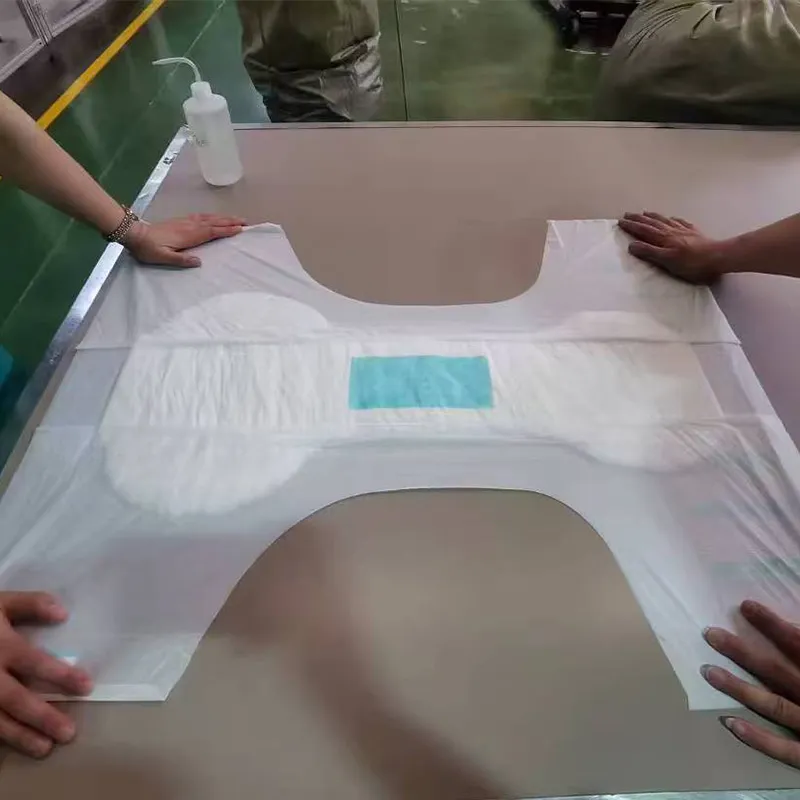
In the adult incontinence market, product quality is not just about softness. It includes absorbency capacity, rewet performance, leak guard height, SAP ratio, breathability, and manufacturing consistency. According to hygiene industry purchasing standards widely used in medical and long-term care procurement, products are often judged by lab data, batch traceability, and compliance with ISO-style quality systems. That is why a strong adult diaper manufacturer with OEM service should be able to show test reports, production parameters, and real QC procedures.
An adult diaper is an absorbent hygiene product designed to manage moderate to heavy urinary or fecal incontinence. In industry terms, it usually includes a top sheet, acquisition distribution layer, absorbent core, back sheet, leg cuffs, waist elastic, and fastening system. The absorbent core often combines fluff pulp and SAP, or superabsorbent polymer, which can absorb and lock liquid inside the core.
In practical use, the biggest difference between products is not the outer look. It is the internal structure and control of liquid flow. For example, a well-designed core can absorb liquid quickly, spread it evenly, and reduce surface wetness. In many product tests, good diapers target low rewet values, strong leakage protection, and stable absorbency after repeated movement. If a wholesale adult diaper manufacturer cannot explain these details clearly, the buyer usually has to take on more product risk later.
A useful way to understand this category is to look at the user process. A caregiver needs easy changing. The wearer needs a dry feel and fewer skin problems. The buyer needs stable quality and predictable supply. So the manufacturer must solve all three problems at once. That is why professional procurement teams often ask for the following data:
These are not small details. They directly affect user satisfaction and complaint rate.
When comparing suppliers, the first thing to check is whether the factory can prove product performance under standard testing methods. A serious adult diaper manufacturer should not only talk about comfort. It should show measurements.
For example, in absorbency testing, manufacturers may use methods aligned with internal lab systems or common hygiene industry practices, including timed liquid pour tests, rewet tests, and leakage angle tests. A good product may absorb several hundred milliliters quickly and still keep the surface relatively dry after pressure. In practice, buyers often care about whether a diaper can handle overnight use. That means the product needs enough capacity, stable leg leakage protection, and a back sheet that prevents side seepage.
When inspecting a factory, ask for these quality metrics:
A reliable factory can usually explain these numbers with confidence. For example, some mature production lines maintain dimensional deviation within narrow limits, and their QC teams check multiple samples per batch. In a high-volume production environment, even a 1% to 2% defect reduction can lower returns and rework costs significantly. That kind of improvement matters more than vague claims like “best quality.”
Also, pay attention to production equipment. A modern adult diaper line may include high-speed forming systems, SAP dosing units, hot-melt adhesive applicators, CCD visual inspection, and automatic packing machines. High automation helps reduce hand errors and keeps product size consistent. If the supplier claims large output, ask for line speed, daily capacity, and actual monthly production data. Many serious factories can produce tens of thousands to hundreds of thousands of pieces per day, depending on line count and product type.
The product is used in many settings, and each setting has a different priority. In hospitals, infection control and quick changes matter most. In nursing homes, overnight leakage and staff workload are key. At home, comfort and cost per use matter more. This is why an adult diaper manufacturer for nursing homes should offer different product grades, not just one standard item.
In long-term care, a poorly designed diaper can increase changing time, laundry load, and skin issue complaints. For example, if the rewet level is too high, the skin stays damp longer. That may raise the risk of irritation, especially for people who wear diapers for many hours. On the other hand, a well-made product with a better core structure can reduce surface wetness and improve dignity for the user.
This is also where product fit becomes critical. Waist size, leg opening design, and fastening type affect leakage. Some buyers only compare absorbency numbers, but that is not enough. A diaper with high absorbency but poor fit can still fail during side sleeping or movement. Therefore, when evaluating a custom adult diaper manufacturer, ask whether they can adjust:
A strong factory can customize these parameters for different markets. This is especially useful for distributors serving elderly care, disability support, and home medical channels.
Professional buyers should request lab evidence. A trustworthy supplier should have test data for absorbency, tensile strength, leakage resistance, and material safety. Common references in the hygiene product industry include ISO-based quality systems, internal lab verification, and regional textile or polymer safety checks.
Important technical points often include:
For example, if a diaper claims “overnight protection,” the buyer should ask what that means in real numbers. Does it absorb 800 mL, 1200 mL, or more? How much liquid returns to the surface after a standard load test? What is the leakage margin when the user lies on the side? These details matter much more than packaging claims.
A dependable adult diaper manufacturer with ISO certification will usually provide traceable documentation and may support third-party testing. This lowers risk for importers and private label buyers. It also helps with market entry when local regulations require product files, safety data, or label compliance.
Many buyers need more than a standard product. They may need private labeling, market-specific sizes, scent-free versions, or higher-absorbency night products. This is where OEM and ODM support becomes valuable. An experienced adult diaper OEM manufacturer can adjust the product to fit brand positioning and target users.
For example, if a brand wants a premium night-use line, the factory may increase SAP content, strengthen the leg cuffs, and improve the back sheet breathability. If the brand wants an economy product for institutional use, the factory may optimize material cost while keeping leakage performance acceptable. Good R&D teams can make these changes without sacrificing production stability.
A practical example: a manufacturer with multi-stage product development may run trial samples, adjust core density, then validate the final product using fit tests and leakage tests. In many real projects, the sample-to-production cycle can take several rounds before reaching stable mass production. That experience matters because it shows the factory knows how to move from prototype to shipment without quality drift.
A reliable partner should also support:
These services save time and reduce launch risk.
Adult diapers are used in a wide range of fields. The most common applications include:
In home care, the focus is often ease of use and skin comfort. In institutions, the focus shifts to bulk consumption, staff efficiency, and uniform quality. In hospitals, quick replacement and hygiene control become more important.
This variety is why a single product cannot serve every market perfectly. A factory that understands different usage scenarios can recommend the right structure, absorbency level, and packaging size. That is a strong sign of a mature adult diaper manufacturer for export markets.
For example, a home-care line may use softer nonwoven fabric and a more comfortable waistband. A nursing-home line may use higher absorbency and simpler packaging for bulk storage. In export sales, carton compression and pallet efficiency also matter, because freight cost can rise quickly. A small packaging optimization can improve container loading and lower landed cost.
The importance of the supplier is often underestimated. Buyers may think the product is simple, but supply chain stability is critical. A delay of one shipment can affect a whole care facility or retail program. That is why a dependable adult diaper manufacturer with stable supply is so valuable.
A strong factory usually offers:
If a problem happens, such as leakage complaints or tape failure, the manufacturer should be able to trace the issue back to the material lot or machine line. That is the difference between a serious supplier and a simple trader.
In practical business terms, strong quality control can reduce return rates, improve repeat orders, and protect brand reputation. For distributors, that may mean fewer after-sales problems. For nursing homes, it may mean fewer emergency purchases. For end users, it means better comfort and dignity.
Before signing a contract, use a simple evaluation list. Ask each adult diaper manufacturer to provide:
Then compare the answers side by side. If one factory gives clear numbers and another only gives broad promises, the choice becomes easier.
For a trial order, start with a small batch and test it in real use. Track leakage complaints, change frequency, skin comfort feedback, and packing damage rate. A trial of 1,000 to 5,000 pieces can reveal much more than a sales pitch. In many procurement programs, this early testing phase prevents larger losses later.
If you are buying for a brand, also check communication speed. A supplier that replies within 24 hours and can revise artwork quickly is easier to work with. Speed matters in launch projects, especially when retailers or care institutions have fixed delivery dates.
Many buyers want a partner that can balance quality, customization, and export support. This is where brands like Duronma often come into the discussion. When people search for Duronma adult diaper solutions, they are usually looking for stable product quality, clear specifications, and dependable OEM service.
A brand-oriented supplier should be able to support sample testing, packaging design, and market adaptation. If the product passes actual use tests with lower leakage complaints and consistent batch performance, that gives buyers more confidence to scale up.
If you are comparing options, it is smart to request a sample from Duronma and evaluate it in your own care environment. Test the product during daytime use, overnight use, and movement-heavy situations. Then compare absorbency, rewet, fit, and staff handling time. Real use data is always more valuable than a sales brochure.
If you are still deciding, the next step is simple: read the user guide, request samples, and test the product under real conditions. Focus on measurable results such as absorbency, leakage, fit, and supply stability. A good adult diaper manufacturer should welcome that process and provide clear data.
Before buying in bulk, it is smart to speak with the supplier about your target market, size mix, and usage scenario. If possible, ask for a trial order and compare it with your current product. For many buyers, this is the fastest way to confirm whether the factory is a real long-term partner.
If you want to explore a stable option, you can start by reviewing Duronma products and then asking for samples, OEM details, and quality documents. That approach helps you make a safer decision and choose a product that works in daily care, not just on paper.
A: Consider metrics such as SAP content ratio, absorbency test results, rewet value, breathability data, and QC pass rates. These measurements are critical in assessing product performance.
A: Look for manufacturers that provide predictable lead times, stable raw material sourcing, and effective complaint handling processes. This helps maintain consistent product availability.
A: Yes, many manufacturers, including Duronma, offer OEM support for customization in size, absorbency, and packaging to meet the specific demands of different care environments.
A: Request lab evidence for absorbency, tensile strength, leakage resistance, and material safety. Certifications based on ISO quality systems are important indicators of reliability.
A: Evaluate the product structure and performance metrics against the specific needs of each care setting, such as heavy absorbency for nursing homes or ease of use for home care.
Related News

Disposable vs Reusable Adult Diapers: A Cost Comparison
Aug. 24, 2026
Related Products
Navigation
Navigation
Products
Products
Contact Us
Contact Us
E-mail: alvaro@duronma.com
Mobile: +86 132 3119 9039
WeChat: +86 132 3119 9039
WhatsApp: +8613323096932
Add.: ChunLongBuilding, GaoXinDistrict, ShiJiazhuang, HeBei, China.


